Why Eye Drops Aren’t Solving Your Dry Eye Problem
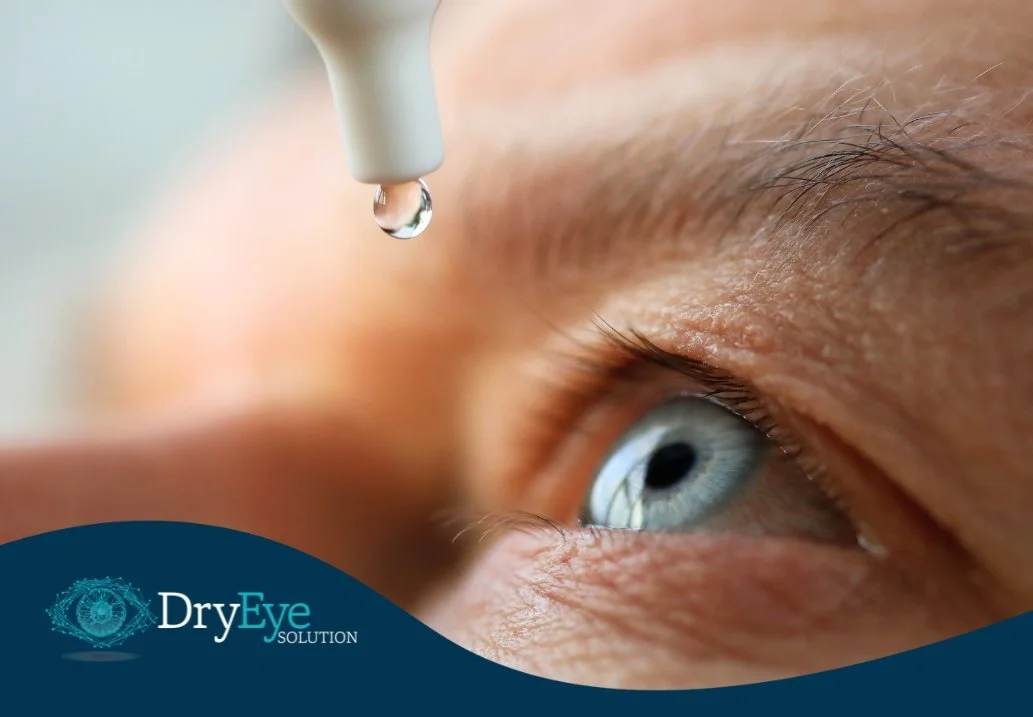
You’ve been using eye drops for weeks, maybe even months. But your eyes still sting, still blur, still water. Sound familiar?
If you're reaching for drops multiple times a day and still not finding relief, you're not alone. Many people assume that Dry Eye Disease means you're simply not making enough tears. So, topping up with lubricating drops seems like the obvious fix.
But for most people with Dry Eye symptoms, the real problem isn’t how much tear fluid you produce; it’s the quality, stability, and balance of your tear film. And that’s where drops often fall short.
In this article, we’ll explore why common solutions like artificial tears may only mask the problem, and why breakthrough treatments like IPL combined with a whole-body approach could be the game-changer your eyes have been waiting for.
Dry Eye Disease: It’s More Than Just “Dryness”
Dry Eye Disease (DED) is often misunderstood. It’s not simply about having too few tears. It’s a chronic inflammatory condition that affects the surface of the eye and the quality of your tear film.
Your tears aren’t just water. A healthy tear film has three layers:
Oil (lipid) – slows evaporation
Water (aqueous) – hydrates the eye
Mucus (mucin) – helps spread tears evenly
When any of these layers is disrupted, especially the oil layer, your tears evaporate too quickly. This can cause dryness, irritation, blurred vision, and paradoxically, even watery eyes as your body tries to compensate.
Read more about Dry Eye Disease on Healthdirect Australia.
Why Eye Drops Often Fall Short
Artificial tears can be helpful for temporary relief, especially when your eyes feel dry or gritty. But they’re usually designed to replace water, not repair the oil or mucin layers. That means they don’t solve the underlying issue, and the cycle continues.
Overuse of some drops can also wash away natural healing factors or create dependence without improvement, with certain eyedrops potentially causing more corneal damage and rebound redness. If the root cause is inflammation, blocked glands, or systemic triggers, eye drops simply can’t reach deep enough to help.
“The tear may appear ‘wet,’ but the problem lies in what’s missing: oils, mucins, or anti-inflammatory balance.”
– Dr Rolando Toyos, The Toyos Dry Eye Diet
The Root Problem: Glands, Inflammation & Instability
One of the most common causes of Dry Eye Disease is Meibomian Gland Dysfunction (MGD) when the tiny oil glands along your eyelids become blocked or stop producing quality oil. Without this oil layer, your tears evaporate too quickly, leaving the surface of the eye exposed and inflamed.
This triggers a cascade:
Tear instability
Inflammation
Surface damage
More gland dysfunction
It’s a self-reinforcing cycle that drops alone can’t break.
Factors like hormonal changes, rosacea, skin conditions, acne medications, and even gut inflammation can worsen MGD or make it harder to heal. That’s why treating Dry Eye often requires more than just treating the eyes.
“DED is often a local sign of a broader systemic imbalance — in the skin, gut, hormones, or lifestyle.”
– The Toyos Dry Eye Diet
So What Does Work? A More Complete, Evidence-Based Approach
At Dry Eye Solution, we believe in treating the root cause, not just masking the symptoms. Our approach combines world-leading treatment technologies with holistic care that addresses the bigger picture.
IPL + Meibomian Gland Expression (Toyos Protocols)
We’re proud to be the only clinics in Australia using the Toyos Protocol developed by the very inventor of IPL for Dry Eye. This includes:
IPL (Intense Pulsed Light) to reduce inflammation and stimulate healthy gland activity
Meibomian Gland Expression (MGX) immediately after IPL to unblock glands and restore healthy oil flow
Regular monitoring and follow-up to ensure long-term stability
A randomised controlled trial showed that IPL + MGX significantly improves tear quality, comfort, and stability compared to other methods.
Holistic Treatment: More Than Just the Eyes
We also consider:
Diet & systemic inflammation
Hormonal changes (menopause, testosterone, thyroid)
Skin health (rosacea, blepharitis, scarring)
Gut function & autoimmune risk
Makeup and eye hygiene products
This is the difference between chasing symptoms and truly changing the trajectory of your condition.
Why a One-Size-Fits-All Fix Won’t Work
Eye drops assume that dryness is the problem, but they miss the “why.” For many people, the “why” includes poor blinking habits, digital fatigue, blocked glands, or even undiagnosed skin or gut inflammation.
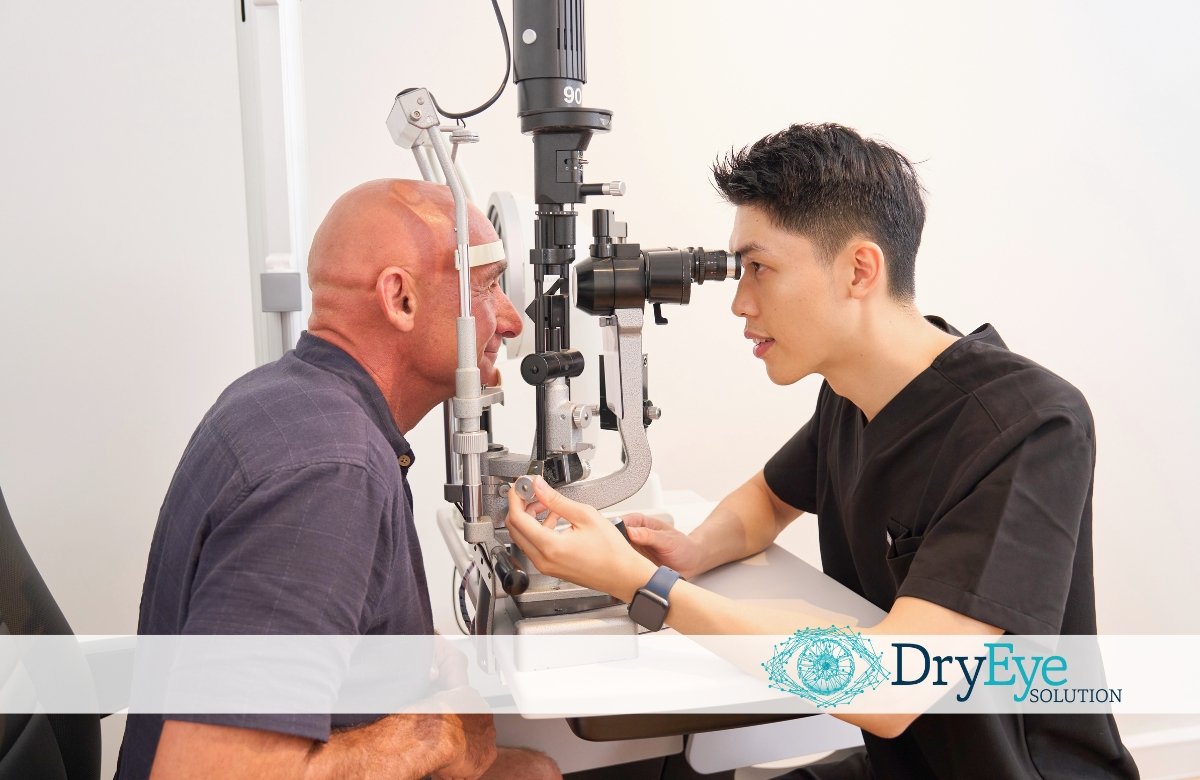
That’s why our first step isn’t a prescription, it’s a conversation. We start by listening to your story and using advanced imaging tools to assess your tear film, Meibomian Glands, and overall eye health. From there, we tailor a treatment plan to your specific needs, one that adapts with you over time.
Read more about comprehensive Dry Eye care on Better Health Channel Victoria.
When Should You Consider Moving Beyond Drops?
If any of the following sounds familiar, it may be time for a more thorough assessment:
You’re using drops multiple times a day, but still feel uncomfortable
Your eyes feel worse at the end of the day or after screen time
You have fluctuating vision, light sensitivity, or redness
You’ve tried heat masks or antibiotics without success
You have rosacea, blepharitis, or a history of acne or hormone treatments
You Don’t Have to Keep Guessing
If you’ve been relying on eye drops without lasting relief, it might be time to take a deeper look.
Start by taking our 1‑Minute Dry Eye Quiz to see if your symptoms align with Dry Eye Disease, then book a free 15‑minute telehealth consultation with one of our trained clinicians.
Even if you’re not ready to begin treatment, this initial conversation can offer personalised insights and a clearer path forward with no pressure.